
Tipping has always been part of everyday life, whether you're dining out, getting a haircut or ordering food delivery. But in recent years, you may have noticed that tip prompts seem to be appearing in more places than ever before.
At the same time, inflation has pushed up the cost of restaurant meals, personal services and other everyday expenses. That means even when you're leaving the same percentage tip you always have, the dollar amount is often higher simply because the bill is higher.
The result is that many people are taking a closer look at their tipping habits and wondering what's expected, what's optional and how to be generous without stretching their budget too thin. Some services still have well-established tipping norms, while in other situations, gratuities are entirely up to the customer. Understanding the difference can help you make confident decisions the next time you're faced with a payment screen asking for an extra 20% or more.
Here's a practical guide to who to tip, how much to tip and when it's perfectly reasonable to skip the extra charge.
The services where tipping is still expected
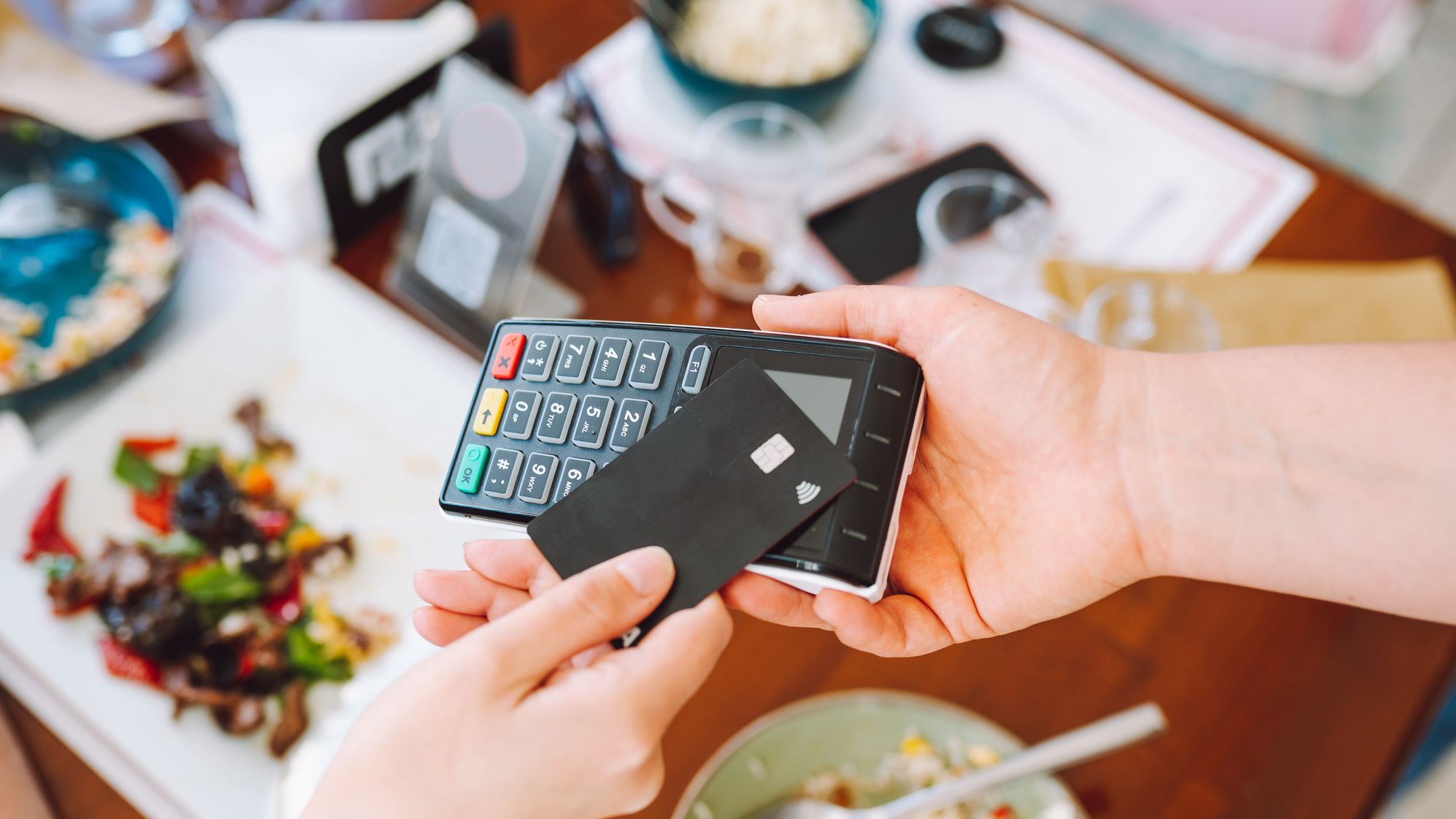
Today, customers are being asked to tip almost everywhere. Digital payment screens now appear at coffee shops, bakeries, food trucks, self-checkout counters and even some retail stores.
Shoppers and media outlets began using the term "tipflation" to describe the combination of rising prices, higher suggested gratuities and tip requests appearing in more everyday transactions. Meanwhile, workers in many service industries continue to rely on tips as a significant part of their income.
While tipping norms continue to evolve, there are several situations where gratuities remain an established part of compensation.
Service | Typical Tip |
Sit-down restaurant | 15% - 20% |
Bartender | $1–$2 per drink or 15%–20% |
Hair stylist/barber | 15%–20% |
Food Delivery | 10%–20% |
Taxi/rideshare | 10%–20% |
Hotel housekeeping | $2–$5 per night |
Valet parking | $2–$5 when retrieving vehicle |
Spa services | 15%–20% |
Places where tipping is optional
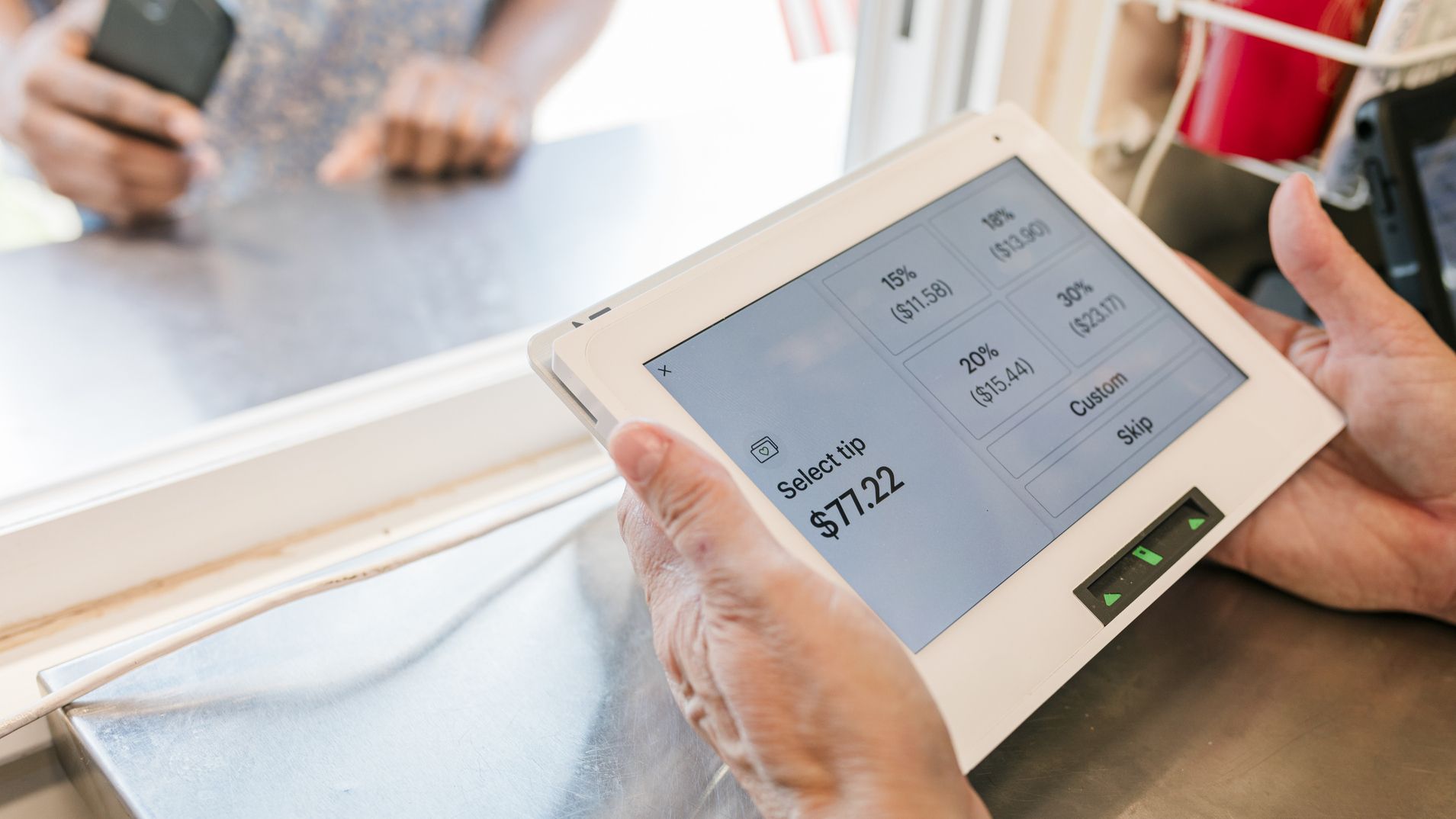
Not every tip prompt requires a tip. Many people encounter gratuity requests in situations where tipping was uncommon just a few years ago, including:
- Coffee shops
- Frozen yogurt shops
- Retail checkout counters
- Self-service kiosks
- Grab-and-go food counters
- Convenience stores
In these situations, tipping is usually optional rather than something customers are expected to do. That doesn't mean you should never tip.
If a barista remembers your order, prepares a complicated custom drink or provides exceptional service, leaving a dollar or two can be a thoughtful gesture. Likewise, if a worker goes above and beyond to help you, a small gratuity may be appropriate.
However, customers shouldn't feel obligated to leave 20% simply because a payment screen suggests it. If there is little or no personalized service involved, selecting "No Tip" or entering a smaller custom amount is perfectly reasonable.
Should you tip on the pre-tax amount or total bill?
Traditional etiquette suggests calculating tips based on the pre-tax subtotal rather than the final amount after sales tax. While many people tip on the total bill because it's easier, tipping on the subtotal avoids paying a gratuity on taxes as well.
In the example below, tipping 20% on the pre-tax bill results in a $16 tip, while tipping 20% on the total bill results in a $17.60 tip.
Restaurant bill:
- Food and drinks: $80
- Sales tax: $8
- Total bill: $88
Method | Calculation | Tip Amount |
|---|---|---|
Tip on pre-tax subtotal | 20% × $80 | $16.00 |
Tip on total bill | 20% × $88 | $17.60 |
Difference | — | $1.60 |
The difference isn't enormous on one meal, but it can add up over time.
Either method is acceptable, but tipping on the pre-tax subtotal aligns with traditional etiquette guidelines.
Earn rewards on dining and food purchases
Restaurant meals, delivery orders and takeout can add up quickly. A card that offers rewards on food purchases may help you get more value from spending you're already doing.
Check out Kiplinger's top food and dining cards. Powered by Bankrate. Advertising disclosure.
View offers
How inflation changes the math
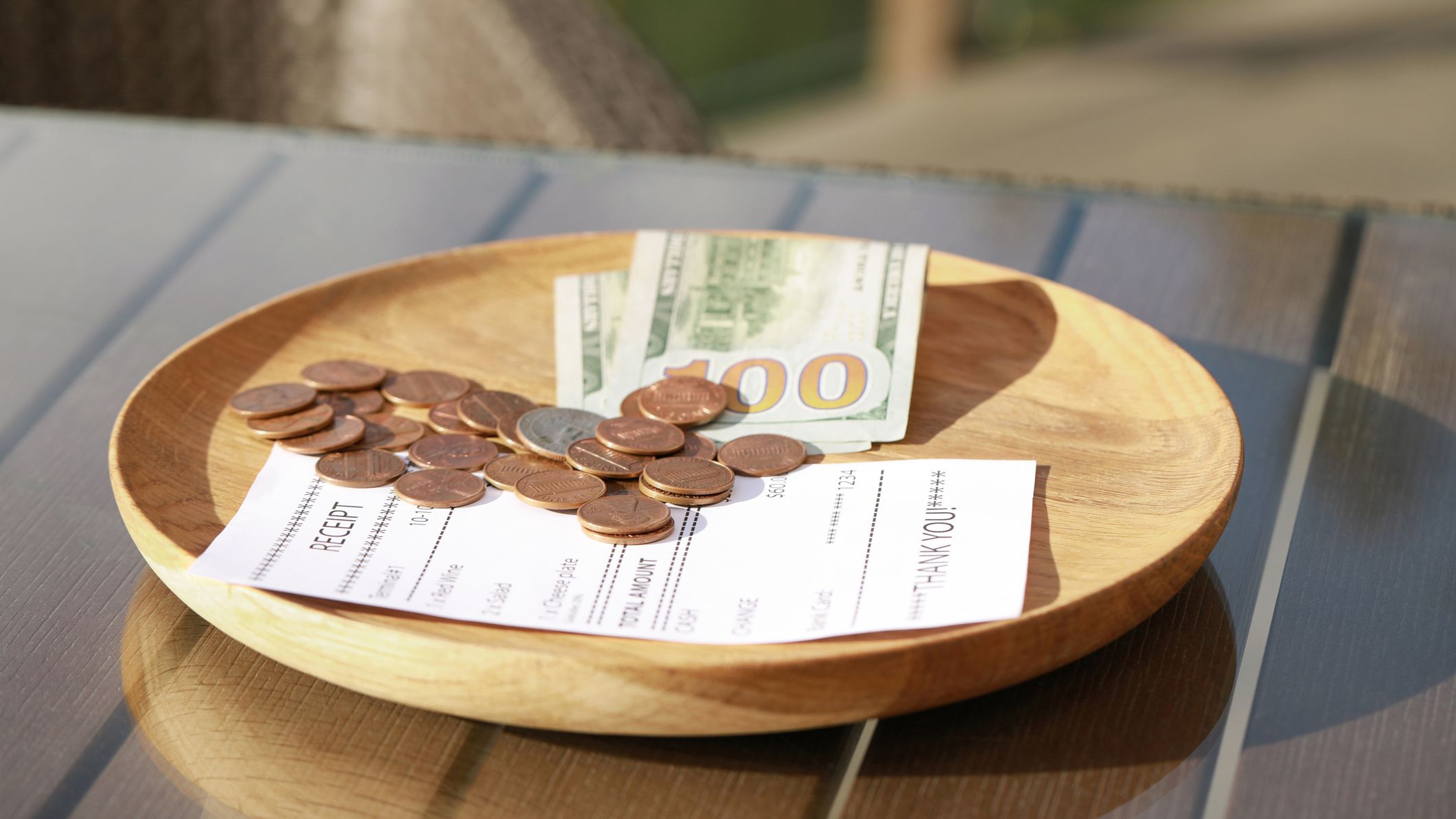
One reason tipping feels more expensive today is that menu prices and service costs have increased significantly. Consider a restaurant meal that cost $50 in 2020. A 20% tip would have been $10.
Now imagine that same meal costs $70 in 2026 due to higher food, labor and operating costs. A 20% tip jumps to $14. The tipping percentage hasn't changed, but you're spending 40% more because the underlying bill is higher.
That's one reason many diners feel stretched. They're paying more for the meal itself and more for the gratuity attached to it.
Inflation and higher suggested tip percentages have combined to create what many describe as tipping fatigue. At the same time, workers are also facing higher living costs, creating tension on both sides of the transaction.
What to do when the payment screen starts at 25%
Many modern payment systems now display suggested tip options of 20%, 25% or even 30%. Seeing those numbers can make consumers feel pressured to spend more than they planned.
The good news is that you almost always have another option.
Most digital payment systems include a "Custom Tip" button that allows you to enter your own amount. If your personal standard is 15% or 18%, you can simply select a custom gratuity instead of choosing the suggested options.
A quick way to estimate a tip:
- 10% = move the decimal one place left
- 20% = double the 10% amount
- 15% = calculate 10% and add half of that amount
For example:
- $50 bill
- 10% = $5
- 20% = $10
- 15% = $7.50
Experts generally agree that customers shouldn't feel guilty for choosing a reasonable gratuity that fits their budget and aligns with the level of service received.
Create your own tipping rules
One of the easiest ways to reduce tipping stress is to establish personal guidelines before you're standing at the register.
You might decide:
- Always tip 20% at sit-down restaurants.
- Tip food delivery drivers at least $5 or 15%.
- Leave $1 at coffee shops for custom orders.
- Skip tips at self-service kiosks.
- Tip more during bad weather or when service exceeds expectations.
You can also create a monthly "tipping budget" just as you would for dining out or entertainment expenses.
Having a plan helps remove the guilt and uncertainty that many feel when confronted with endless tipping prompts. Instead of reacting to pressure on a screen, you're simply following rules that fit your finances and values.
Tipping doesn't have to be stressful
Tipping culture continues to evolve, but customers don't have to feel obligated to tip everywhere they're asked.
A practical approach is to prioritize workers who traditionally rely on gratuities, understand where tipping is optional and set personal guidelines that fit your budget. With inflation continuing to strain household finances, consistency matters more than giving in to every suggested tip screen. In these cases, it's perfectly reasonable to decide your tip amount based on your budget and the experience you had.
Need help building a financial plan? Use the tool below, powered by Bankrate, to connect with a financial professional who will help you reach your financial goals.
Related Content:
- Which States Have the Biggest Tippers?
- A Modern Guide to Money Etiquette: Gifts, Tips, Splitting Bills and More
- When a $1 Valet Tip Becomes $5: What Tipping Anxiety Says About Inflation and the Outdated Price List in Your Head