
In October 2024, the Harris Poll asked Americans about pets and kids: "If you had to choose, which would you prefer in the future?" Of the 2,125 respondents, 18% said children, 43% said pets, and the rest said both. Harris also found that a majority of Gen Z pet owners would give up a year of their own lives if it would add a year to their pet's life.
In case you hadn't noticed, Americans have gone ga-ga over their pets. Some two-thirds of households own at least one, and, according to the Federal Reserve Bank of St. Louis, total spending on "pets, pet products and related services" reached $188 billion in 2024 (the latest data), up from just $40 billion in 2000. Pet ownership has been building since about 1990, but it rose sharply during the COVID era, with pets providing stay-at-home singles and families with companionship; 78% of Americans bought a pet during the pandemic.
Savvy investors profited from the pet boom. In 2020, the worst COVID year, ProShares Pet Care (PAWZ), an exchange-traded fund, returned 61.4%, more than triple the rate of the S&P 500 index. Anything related to pets soared. A company that sells fashionable leashes and collars called Dogness (International) — yes, in parentheses — jumped from $21 on October 1, 2020, to $175 just 15 months later. Freshpet, which makes meals and treats that are "thoughtfully crafted for your best friend," roughly tripled from the beginning of April 2020 through the end of April 2021.
Then, as these things often do, the pet boom imploded. Within six months of its peak, Dogness had fallen 80%. It now trades slightly over one dollar per share with a market capitalization (shares outstanding times price) of just $15 million. Freshpet today is down more than two-thirds. (Stocks and funds I like are in bold; prices and other data are through May 31 unless otherwise noted.)
Straight from the source
Americans still love their pets, and ownership keeps rising — as my brother and my nephew, both veterinarians, can confirm. So what happened? First, competition has taken a bite out of profit margins. Amazon.com has become a pet-care giant, crowding out smaller purveyors, or at least squeezing their revenues.
Second, middle-class Americans have become strapped for disposable cash. Households are currently spending an average of $6,000 a year on their pets, and those are incremental dollars on top of what's needed to buy such items as their own food.
It seems to me, however, that pet stocks have fallen so much that they are offering opportunities for wise investors. Many have become classic value stocks: Good businesses with decent growth that are unappreciated.
Start with Chewy (CHWY), the e-commerce pet supplier that was spun off from the PetSmart chain (now private) in 2019. Since then, despite competition from Amazon, sales have tripled, and earnings have risen consistently. But the stock is down 70% over the past five years and now has a price-earnings ratio, based on estimated earnings for the year ahead, of just 14, compared with 22 for the average S&P 500 stock.
More Chihuahuas than Great Danes

Publicly traded pet stocks tend to be small (even Chewy has a market cap of just $9 billion), but there are exceptions. Zoetis (ZTS), which was spun off from Pfizer in 2013 and makes medicines, vaccines and diagnostics for pets and livestock, has a market cap of $33 billion.
Shares dropped more than 20% in early May when Wall Street was disappointed with Zoetis's first-quarter earnings, which rose only 6% compared with the same quarter a year ago. The company stated: "Pet owners demonstrated increased price sensitivity, resulting in a decline in veterinary visits and softer demand for premium innovative products, where Zoetis leads. At the same time, competition intensified across key pet care categories." That's a good description of the challenges that practically all pet-care stocks face.
With the tumble, Zoetis carries a P/E of just 11. And it's hard to argue with any stock whose profits have risen every year for the past decade — what I call a beautiful line. Zoetis also has a strong balance sheet, an impressive profit margin and a dividend yield of 2.7%. It's down by two-thirds since its 2021 high.
One of my favorites in the same sector is IDEXX Laboratories (IDXX), with a $44 billion market cap. IDEXX provides diagnostic instruments, software and lab testing for vets. Earnings were up year-over-year by 17% in the most recent quarter, but, unlike most pet-care stocks, IDEXX is not cheap, with a forward P/E of 38. Shares have been flat over the past five years after dropping — for no good reason in my opinion — by about one-fourth since November.
Another worthy pet pharma company is Elanco Animal Health (ELAN), with popular products to fight fleas and ticks. The stock, with a market cap of $12 billion, is up by 76% in the past year, but it's still far from its 2021 high. I also like Philbro Animal Health (PAHC), which reported earnings in the quarter ended March 31 that were up 15% over the same period last year. Philbro sells products that prevent and treat diseases in companion animals and livestock in 95 countries. Shares are up 30% in the past 12 months, but the P/E is just 10.
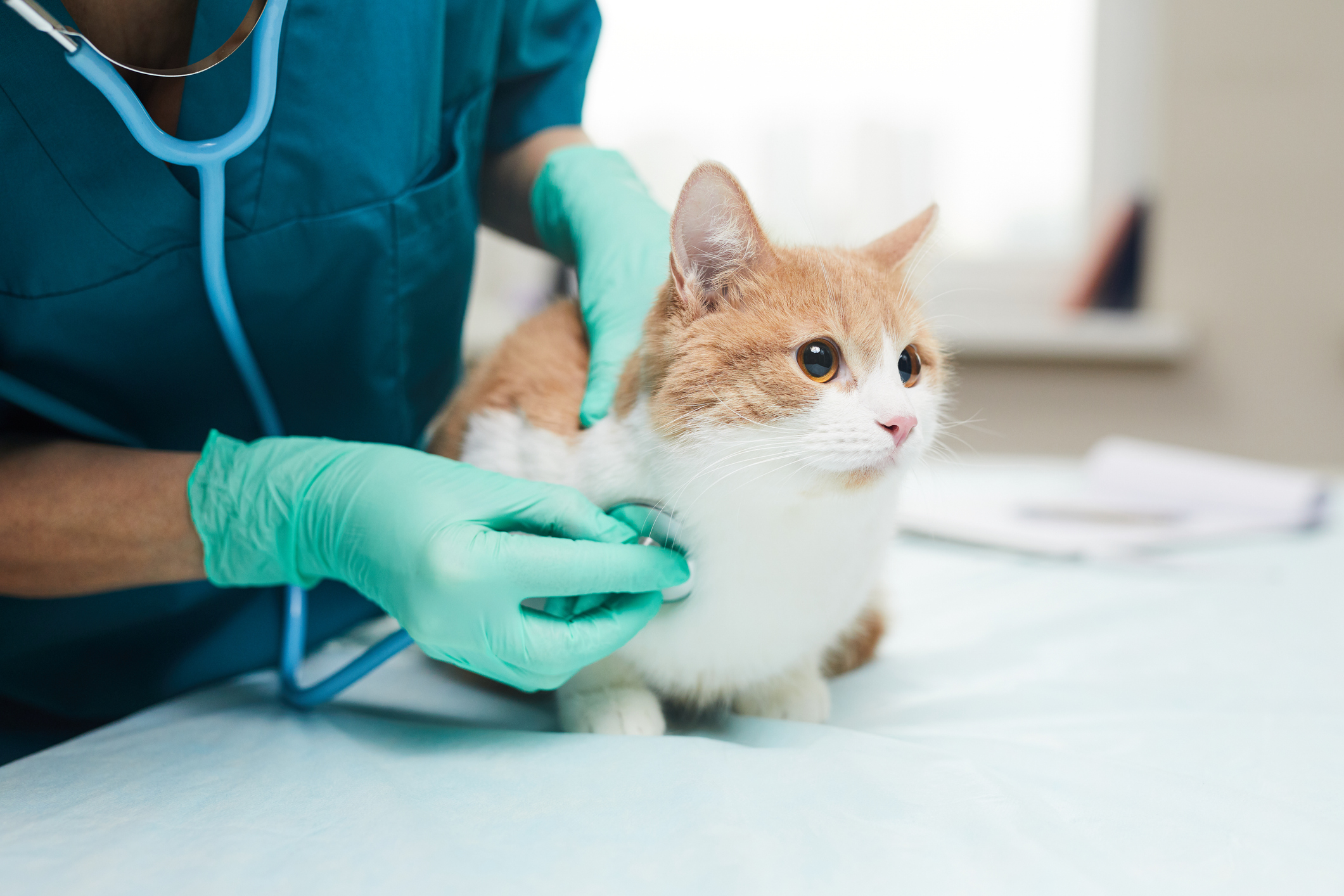
Veterinary expenses have risen sharply. A dog's broken leg can cost from $2,000 to $5,000 or more to set. So more and more owners have turned to pet insurance. The number of insured dogs and cats has doubled in four years, but market penetration is still low — just 4%, compared with 20% in Germany and 25% in the U.K. It appears there is room to grow.
Most of the top U.S. pet insurers are large multiline companies like Nationwide and Chubb, but the best pure play, Trupanion (TRUP), is number one in market share. The company is popular with vets because of its software platform, which makes reimbursement fast and easy. But it's another victim of the petpocalypse. Despite revenues nearly tripling between 2020 and 2025, the stock has dropped 75% in five years.
A big obstacle for investors is that many of the largest pet companies are either private or part of a more diversified business. For example, numbers one and two in dog food are the consumer-products giant Nestlé (Friskies, among many other brands) and the family-owned candy company Mars (Pedigree, the number-one dog food brand). Specialized dog food sellers such as The Farmer's Dog haven't gone public. Merck is a major provider of veterinary pharmaceuticals, but they represent no more than 10% of Merck's total sales. Covetrus, a much-admired animal health services company, is owned by a private-equity firm, as are thousands of veterinary practices.
The ProShares ETF mentioned above, with an expense ratio of 0.5%, is the best bet among pet funds. Its top four holdings are IDEXX, Zoetis, Freshpet and Chewy, accounting for almost 40% of assets. But the portfolio also includes Merck, Nestlé and even CVS Group, all of whose pet-related revenues are minor. Its five-year return is a negative 8.7%.
Facts like these, however, are a contrarian investor's dream. Pets are loved, but pet stocks are so hated that they are crying out for you to buy them — kind of like your dog mewling for his kibble.
James K. Glassman chairs Glassman Advisory, a public-affairs consulting firm. He does not write about his clients. His most recent book is Safety Net: The Strategy for De-Risking Your Investments in a Time of Turbulence. He owns none of the securities listed here. You can reach him at JKGlassman@gmail.com.
Note: This item first appeared in Kiplinger Personal Finance Magazine, a monthly, trustworthy source of advice and guidance. Subscribe to help you make more money and keep more of the money you make here.

Compare multiple quotes on pet insurance at The Zebra to find the right plan and price for your pet.
Compare quotesView Deal
Related Content
- Is Pet Insurance Worth It?
- What to Know Before Flying With Your Pet
- The Best Consumer Staples Stocks To Buy