
If you still pay bills by mail, send birthday cards or holiday greetings, or regularly mail important documents, you can expect to pay a little more at the post office soon.
Beginning July 12, the U.S. Postal Service (USPS) is raising the price of a Forever stamp from 78 cents to 82 cents, a 4-cent increase. The price hike is part of a broader mailing services adjustment that also affects postcards and international mail.
While four cents may not seem like much, the savings can add up if you buy stamps now in larger quantities. And because Forever stamps never expire, many people who know they'll use them eventually choose to stock up before a price increase takes effect.
Forever stamp prices increase July 12
Starting July 12, here's what some of the most common USPS mailing services will cost:
Service | Current Price | New Price |
Forever stamp (1-ounce letter) | $0.78 | $0.82 |
Metered 1-ounce letter | $0.74 | $0.78 |
Domestic postcard | $0.61 | $0.65 |
International postcard | $1.70 | $1.75 |
International 1-ounce letter | $1.70 | $1.75 |
Additional ounce (letters) | $0.29 | $.029 |
The Forever stamp increase represents about a 5.1% increase per stamp. Overall, USPS says mailing service prices are increasing by approximately 4.8%.
Stamp prices have climbed steadily over the past several years. A Forever stamp cost 58 cents in 2021, but the price has since risen to 78 cents. Beginning July 12, it will increase again to 82 cents.
How do Forever stamps work?
One of the biggest advantages of Forever stamps is right in the name since they're good forever.
A Forever stamp purchased today for 78 cents can still be used to mail a standard 1-ounce First-Class letter after the price rises to 82 cents. You won't need to add extra postage or exchange older stamps.
Forever stamps also:
- Never expire.
- Remain valid regardless of future price increases.
- Can be purchased years in advance and used whenever you need them.
That's why many households keep a small supply on hand. If you only send a handful of letters each year, there's no downside to buying them before a price increase if you know you'll eventually use them.
How much can you save by buying stamps now?
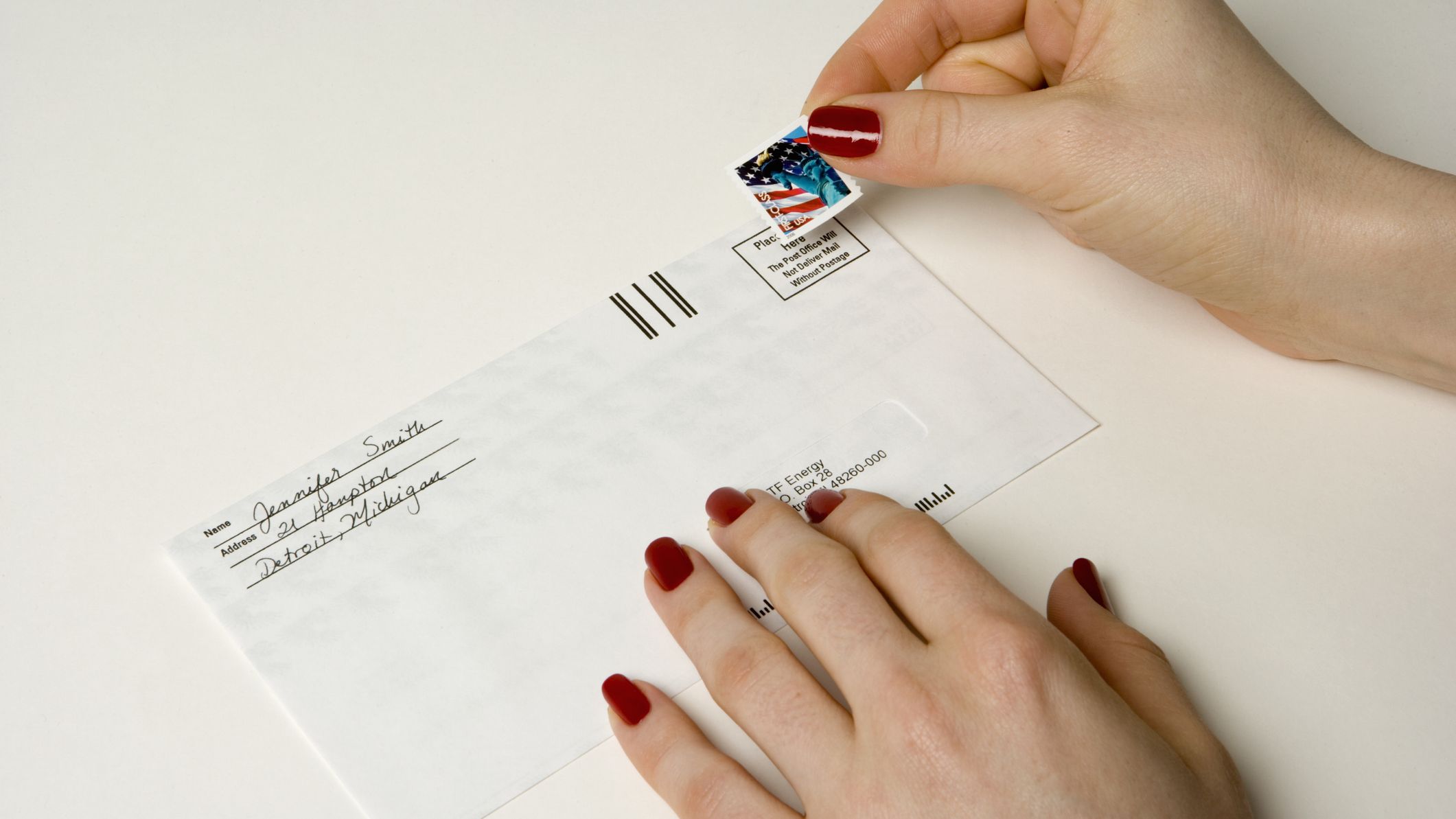
The savings depend entirely on how many stamps you purchase before July 12.
Quantity | Cost before July 12 | Savings before July 12 |
|---|---|---|
Single stamp | $0.78 | $0.04 |
Book of 20 | $15.60 | $0.80 |
Roll of 100 | $78.00 | $4.00 |
500 stamps | $390.00 | $20.00 |
1,000 stamps | $780.00 | $40.00 |
For someone who only mails a few birthday cards or holiday cards each year, the savings are relatively small. Buying one book of 20 stamps before the increase saves less than a dollar.
But if you're a frequent mailer, buying stamps before the price increase is an easy win. Small businesses that mail invoices, nonprofits sending fundraising letters or newsletters, and families preparing hundreds of wedding invitations can lock in the current price simply by purchasing stamps now.

Get practical help to make better financial decisions in your everyday life, from spending to savings on top deals. Subscribe to Kiplinger's newsletter, A Step Ahead.
Who should stock up on Forever stamps?
Not everyone needs to rush to the post office before July 12, but buying stamps ahead of a price increase can make sense if you know you'll use them over the next few months or years. Since Forever stamps never expire and always cover the current price of a standard 1-ounce First-Class letter, there's little downside to purchasing them in advance.
Buying ahead makes the most sense if you:
- Regularly mail bills or personal correspondence. While many payments have gone digital, plenty of people still prefer mailing checks, greeting cards, thank-you notes and important documents. If you use a few books of stamps each year, buying before the increase lets you lock in today's lower price.
- Own a small business. Businesses that send invoices, customer statements, contracts or marketing mailers often go through stamps quickly. Even a few dollars in savings can add up over the course of a year, especially if you're already buying stamps in bulk.
- Are planning a wedding or major event. Wedding invitations, RSVP cards, save-the-dates and thank-you notes can easily require 100 or more stamps. Purchasing postage before the increase is one small way to keep event costs under control.
- Send holiday cards or seasonal mailings. If you mail dozens of holiday cards every year, it makes sense to buy this year's and even next year's stamps before prices go up.
- Care for an older family member. Many older Americans still rely on traditional mail for paying bills, corresponding with family or sending donations. Picking up a few extra books of Forever stamps now can help them avoid paying higher prices later.
If you rarely send physical mail, buying several hundred stamps probably isn't necessary. The savings are relatively modest, and tying up cash in years' worth of postage may not make sense.
Is it worth buying Forever stamps before July 12?
For most households, there's no need to panic-buy stamps.
However, if you know you'll use them eventually, purchasing a few books before July 12 is an easy way to lock in today's lower rate. Since Forever stamps don't expire, there's virtually no risk of them becoming unusable later.
The biggest winners are people who already buy stamps in bulk. A business or organization that goes through hundreds of stamps each year can save enough to make stocking up worthwhile, while occasional mailers may only save a dollar or two.
Either way, buying before the increase means paying 78 cents instead of 82 cents for every Forever stamp you'll use in the future. It’s a small but guaranteed savings that's hard to find these days.
If you’re looking for more ways to stretch your budget, manage cash flow or plan for bigger financial goals, a financial advisor can help you think through the next steps.
Use the tool below, powered by Bankrate, to connect with a financial professional who can help you build a plan to reach your financial goals:
Related Content:
- The IRS Never Texts You, So Why Are They Doing It Now?
- My Favorite Product Never Flies Off the Shelves, But It's Constantly Getting Pricier. Why Is That?
- Smart Bulk Buys vs Costly Mistakes: What to Stock Up on (and What to Skip)