Chances are, you've been with the same bank for years. After all, it's easier to stick with the checking account you have now than to switch to a new one. But every once in a while, it's worth looking at what else is out there.
Even if you're mostly satisfied with your current bank, you may find that a different one better fits your needs, whether with lower fees, higher interest rates, superior in-person services, or more-attractive premium account packages that layer on the perks as your wealth grows. Or you may choose to stick with your current institution for everyday banking and open a savings account or certificate of deposit at an online bank or credit union, taking advantage of high yields on your extra cash.
You'll find plenty of great options to consider here. With the help of LendingTree, which collects deposit-account information, we've analyzed interest rates, fees, balance requirements and other features of accounts at national banks, credit unions, online banks and regional banks, and we've named winners in each of those categories. We've also highlighted two institutions that may be strong choices for customers in each of four profiles: Retirees, high-net-worth clients, travelers and families with kids.
These institutions offer specialized accounts for young people as they learn the ropes of spending and saving, as well as tools for parents to help manage and monitor the accounts.
Interest rates change frequently, so before you commit to any of these accounts, check the current yield. Yields and other terms listed here are as of early July.
Bank of America
Where it is: About 3,600 branches in 38 states and Washington, D.C. (Rates and terms are for customers in Charlotte, N.C.)
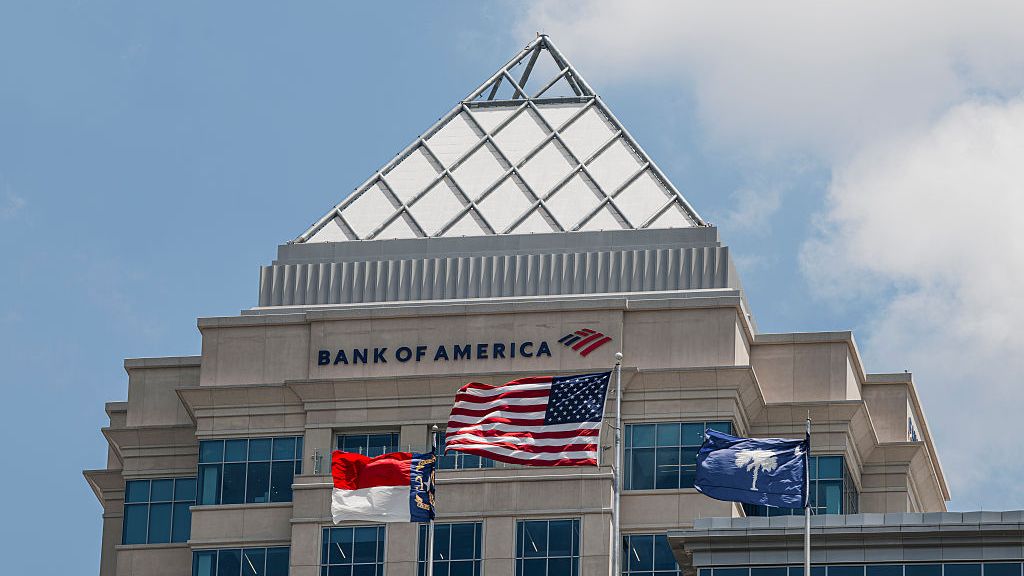
For families who want to take their kids to a local branch to learn about banking, Bank of America is a good bet, with locations in most states. And it offers a couple of its Advantage accounts with families in mind; both have no monthly maintenance fee for those younger than 25 and charge no overdraft fees.
The parent-owned SafeBalance for Family Banking checking account, designed for elementary and middle-school children, lets your kids use a debit card, but you can monitor their spending, get alerts when they make purchases, and lock and unlock the debit card. Children 6 and older can log in to their account online to view balances and monitor transactions, but they can't deposit or transfer money.
Teens and young adults can use the SafeBalance Banking checking account, which parents co-own. Starting at age 16, a teen can become the sole owner of the account. Account holders can make deposits and transfer money online, and those 13 and older can send and receive money with Zelle.
For account owners younger than 25, Advantage Savings charges no monthly fee. It yields 0.04%.
Capital One
Where it is: About 250 branches in a handful of eastern and southern states and Washington, D.C.

Children 8 and older can jointly own Capital One's online MONEY Teen Checking account with their parents. The account has no monthly maintenance fee or minimum deposit requirement, and it offers a yield of 0.1%.
Kids get a debit card, which parents can lock or unlock, and you can monitor their transactions with your own account login. You can make transfers into the MONEY account from your own checking account, regardless of whether your account is with Capital One or another institution.
Capital One also offers the no-fee, no-minimum Kids Savings Account, with a 2.5% yield. You can open multiple accounts for various savings goals.
Planning for retirement while raising a family isn't easy. A financial advisor can help you balance today's expenses with tomorrow's goals.
Use the Bankrate tool below to connect with a financial professional and get started:
Methodology
With data from LendingTree, which collects deposit-account information, as well as from financial institutions and other sources, we evaluated national banks, credit unions, online banks (including online accounts from brokerage firms) and regional banks. We reviewed checking accounts, savings accounts, money market deposit accounts and certificates of deposit.
We looked at features including interest rates; minimum deposit and balance requirements; monthly maintenance fees and the ease of waiving those fees; ATM benefits, such as waived or reimbursed fees for out-of-network withdrawals; free or discounted benefits, such as personal checks, cashier's checks, paper statements and overdraft-protection transfers; overdraft fees; and online and mobile banking features, such as the availability of peer-to-peer payment services. Yields and other data listed in the article are as of early July.
Note: This item first appeared in Kiplinger Personal Finance Magazine, a monthly, trustworthy source of advice and guidance. Subscribe to help you make more money and keep more of the money you make here.
More Best Banks
- Best National Banks
- Best Credit Unions
- Best Online Banks
- Best Regional Banks
- Best Banks for Retirees
- Best Banks for High-Net-Worth People
- Best Banks for Travelers